

AC Tune-Up Checklist in Houston, TX: What a Real Maintenance Visit Should Include
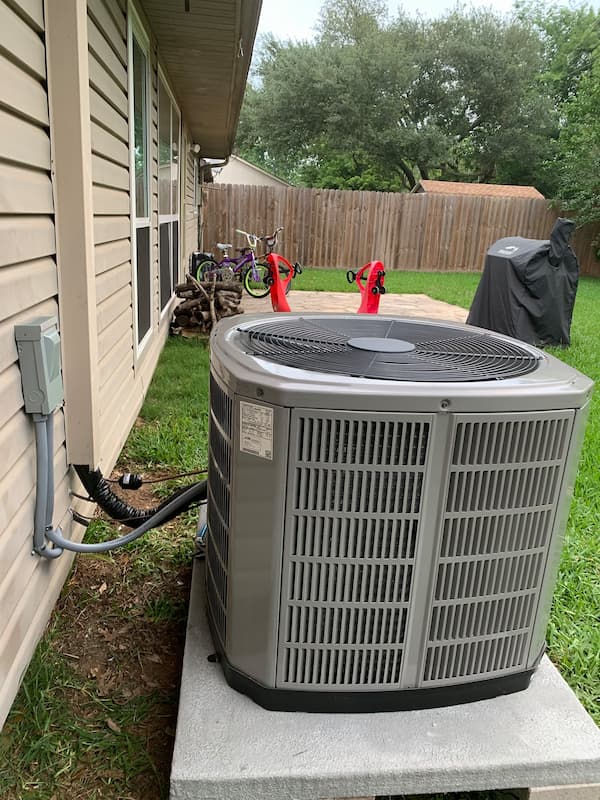
Houston heat, Gulf moisture, and long cooling seasons push your air conditioner hard. A real AC tune-up is more than a quick glance at the thermostat. It is a detailed inspection and performance test that keeps your home cool, dry, and safe when summer lands. If you want an expert visit that covers the right steps, schedule an ac tune-up with 32 Below Inc and see the difference a thorough checklist makes.
This guide shows exactly what a professional maintenance visit should include for coastal Texas homes, how often to book it, and the signs you are overdue. You will also find Houston‑specific items that matter in our salty, humid climate.
Why Houston Homes Need Spring AC Maintenance
Our region runs AC for months, from late spring through early fall. Systems cycle longer, handle higher indoor humidity, and sit through heavy rains and storm debris. That combination leads to clogged drains, dirty coils, and worn electrical parts.
Book service before the first big heat wave so your tech can catch small issues early. Schedule before the first 90-degree week to avoid peak-season delays and to give your system time to be tuned for efficiency and comfort.
What’s Included: A Real AC Tune-Up Checklist
Outdoor Unit (Condenser)
- Condenser coil cleaning to restore heat transfer and reduce run time
- Refrigerant charge verification by temperature and pressure readings
- Electrical check of contactor, capacitor, and fan motor amps
- Inspect cabinet, base, and coil fins for corrosion or storm damage
- Confirm secure disconnect and proper clearances around the unit
Indoor Unit (Air Handler or Furnace With Coil)
Your technician should open the cabinet and verify airflow, cleanliness, and safety devices. Expect these steps:
• Blower wheel and motor inspection, belt/shaft play check, and amp draw
• Evaporator coil condition and cleanliness check
• Filter size and fit review to prevent air bypass and dust streaking
• Condensate drain flush and pan inspection for slime or blockages
Comfort, Humidity, and Safety Tests
A quality tune-up confirms how your system performs, not just how it looks.
- Temperature split (supply-to-return) to confirm proper cooling performance
- Thermostat calibration, cycle test, and fan settings verification
- Static pressure or airflow check to spot duct issues that waste energy
- Float switch and secondary drain pan test to help prevent ceiling leaks
- Electrical tightening and visual inspection of wiring and breakers
Documentation You Should Receive
Ask your tech to record readings and findings. That way you can compare year over year. Ask for readings, not guesses such as temperature split, refrigerant measurements, and motor amperage.
How Often To Schedule AC Tune-Ups In Coastal Texas
In the Houston area, plan at least one professional AC tune-up each spring. Homes with high usage, lots of pets, or tree pollen exposure may benefit from a fall check as well. Timing matters because clean coils and a clear drain help the system remove moisture when Gulf humidity spikes.
If your schedule slipped last year, book now. The system will run better even mid‑season, and your technician can address any issues before they snowball in August.
Houston-Specific Factors Your HVAC Tech Should Address
Salt Air and Corrosion Near the Bay
Neighborhoods closer to Galveston Bay and Clear Lake can see faster outdoor unit corrosion. Your tech should note cabinet rust, check coil coatings, and confirm clean, unbent fins for steady airflow.
Heavy Humidity and “Cool but Clammy” Rooms
Long run times can still leave rooms sticky if airflow is off or the coil is dirty. The visit should include a humidity conversation and verification of fan settings, coil condition, and drainage so the AC can dehumidify effectively.
Storm Debris and Drains
Spring storms push leaves and grit into condensers and condensate lines. Expect a full coil rinse outdoors and a drain flush indoors. Do not ignore water anywhere near the air handler because it can quickly turn into a ceiling leak in attic installations.
Signs You’re Overdue For Service
- Rooms feel cool but damp, or the house never quite reaches setpoint
- Outdoor unit runs constantly or short cycles on mild days
- Higher electric bills with the same thermostat setting
- Musty odors near vents or visible algae in the drain line
- Buzzing contactor, loud fan bearings, or frequent breaker trips
What A Tune-Up Is Not
A real tune-up is not a five-minute filter swap. It is not a pressure-only check without temperature or airflow readings. It is also not a guaranteed repair, since certain parts may still need replacement if they are failing. The right visit leaves you with cleaner components, measured performance, and clear recommendations you can act on.
The Value: Efficiency, Comfort, And Fewer Surprises
Clean coils and correct refrigerant charge help the system cool faster and cycle less, which supports comfort and lowers strain. Clear drains protect drywall and flooring. Proper airflow helps reduce humidity so bedrooms do not feel muggy at night.
For a deeper dive into why upkeep pays off over a Houston summer, read our short post on how ac maintenance can save you money. Pairing a thorough tune-up with good filter habits keeps your home steady when the heat index climbs.
A Tune-Up Walkthrough You Can Expect From 32 Below Inc
When you book a maintenance visit, our technician arrives with a clear plan: verify safety, clean where buildup hurts performance, and capture readings that tell the story of your system. If we find concerns, we explain them in plain language and prioritize what matters most for comfort and reliability.
You can explore our broader cooling solutions on our ac contractor page, then circle back here when you are ready to set a date. If you want a quick refresher while you plan, you can also review an ac tune-up checklist in Houston, TX on our homepage.
When To Book In Houston’s Calendar
Ideal window: mid to late spring, before the first stretch of 95-degree afternoons. That timing gives your system a clean slate for peak season and helps prevent humidity complaints when dew points soar. If you missed spring, the next best time is now. The benefits start the day your system is cleaned, tested, and set up correctly.